

Best Pillowcase for Acne: What Actually Works (Once You Ignore the Marketing)
Dermatologists' top pick for acne-prone skin is 100% silk, prized for low absorbency and reduced friction against inflamed skin. But a tightly woven, breathable 100% cotton pillowcase gets you most of the same benefit for a fraction of the price — provided you actually wash it twice a week. Fabric matters. Washing frequency matters more, and it's the part almost nobody selling you a $200 pillowcase wants to lead with.
Here's the confession: somewhere in your linen closet is a pillowcase that has outlasted at least one relationship, one job, and possibly a haircut you regret. You know the one — slightly gray at the corner where your face goes, laundered on a schedule best described as "whenever the sheets look bad enough to embarrass you in front of a house guest." If you've ever broken out along your jawline and blamed your cleanser before checking the thing your face presses into for seven hours a night, keep reading.
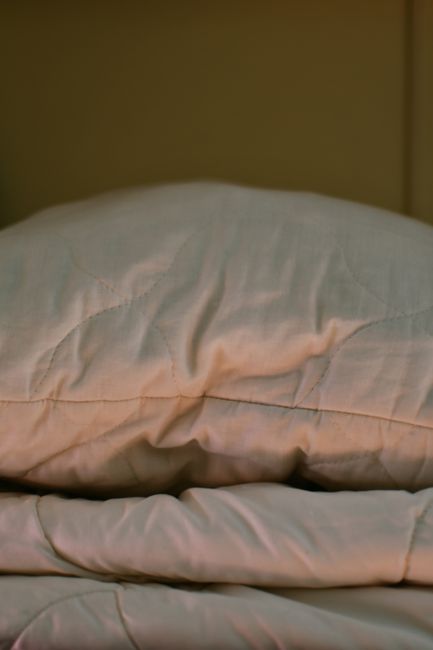
Photo by Darya Grey_Owl via Pexels
Silk vs. Satin vs. Cotton: What the Fabric Actually Does to Acne-Prone Skin

Photo by Tamanna Rumee via Pexels
- Silk is a natural protein fiber with low absorbency, so it doesn't pull oil off your face and hold it against your skin all night the way a thirstier fabric can. Its smooth surface also reduces friction against skin that's already inflamed, which matters more than people expect once you've had a breakout that popped from nothing more than a night of tossing and turning.
- Satin gets lumped in with silk because it looks and feels similar, but satin describes a weave, not a fiber — it's almost always polyester or a poly blend. It's smooth on the surface, but synthetic fibers trap heat and oil instead of letting them evaporate, which can work against you overnight rather than for you.
- Cotton is more absorbent than silk, so yes, it will hold onto some facial oil rather than repelling it outright. But a tightly woven, quality cotton — think percale, not a loose novelty-print weave — is breathable, machine-washable without babying, and durable enough that you'll actually wash it as often as your skin needs. That last part is the detail every silk pillowcase ad conveniently skips.
Here's where we'll disagree with almost every silk pillowcase ad you've ever scrolled past: the fabric is not doing as much of the work as the washing machine is. A $220 silk pillowcase washed once a month will do less for your skin than a $37 cotton one washed twice a week. We sell cotton pillowcases, not silk ones, so take that opinion for what it's worth — but it's also just true. Our Cotton Pillowcase Set and Solid Cotton Pillowcase Sets are both a tight percale-style weave for exactly this reason.
What About Bamboo, Silver, or "Copper-Infused" Pillowcases?
Bamboo fabric is genuinely breathable and moisture-wicking, and a reasonable middle ground if silk feels like overkill and cotton feels too warm. Silver- and copper-infused pillowcases are marketed on antimicrobial claims, but the evidence for those coatings meaningfully reducing acne is thin, and the coating typically wears off after repeated washing anyway — which brings us right back to the same conclusion: wash it, don't just trust the label.
The Uncomfortable Truth: Washing Beats Fabric Every Time
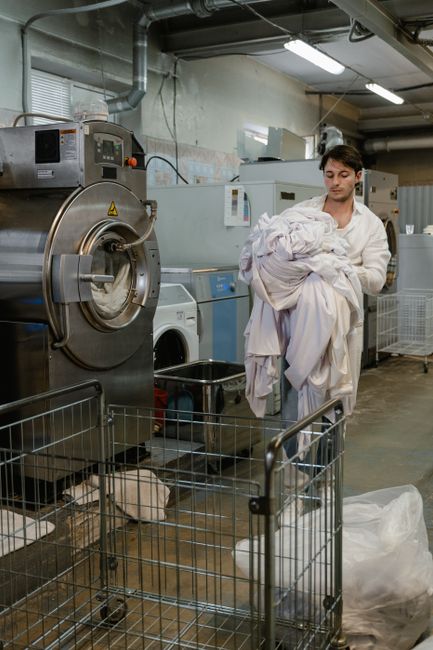
Photo by Tima Miroshnichenko via Pexels
Oil, dead skin cells, bacteria, and leftover skincare product all transfer onto your pillowcase within a single night, regardless of what it's made from. By night three or four, that buildup is sitting directly against your face for hours, and no fiber on earth fully cancels that out.
For most bedding, once a week is fine. For acne-prone skin specifically, wash your pillowcase every two to three days — more often than your sheets, and yes, more often feels excessive until you actually try it for two weeks and watch what happens to your skin. This is the single highest-leverage change in this entire guide, and it's free.
Thread Count and Weave: The Number That Actually Matters
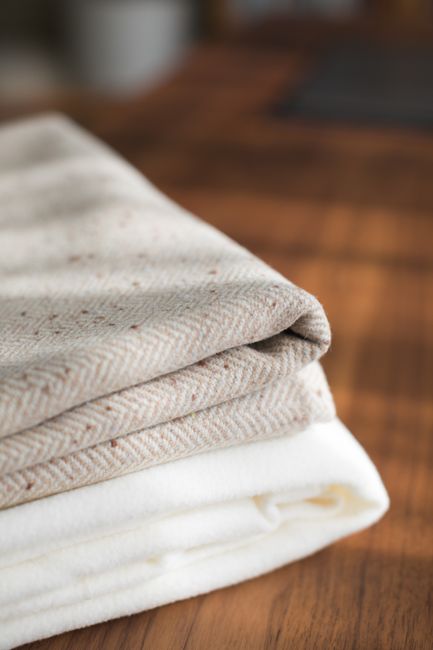
Photo by qiana zhang via Pexels
A tight, plain weave (percale) lies flatter against your skin than a loose or textured weave, which means less surface friction on inflamed spots. Aim for a cotton pillowcase in the 300–400 thread count range — high enough to feel smooth and dense, without straying into the inflated four-digit numbers that are more marketing than fiber quality. We break down how thread count actually works, and where it stops mattering, in our cotton bedding guide if you want the full picture for the rest of your bed, not just the pillow.
If you deal with sensitive, reactive skin on top of acne, a tightly woven, chemical-light cotton is also the safer default — the same logic behind why hypoallergenic bedding tends to be built from plain, tightly-woven natural fiber rather than heavily treated synthetics.
Your Skincare Routine Changes What Pillowcase You Should Buy

Photo by Yan Krukau via Pexels
This is the part almost no pillowcase guide mentions: if your routine includes retinol, benzoyl peroxide, or a spot treatment, those actives bleach fabric — often within a single night, long before the pillowcase itself is due for retirement. It's not a fabric-quality problem, it's a chemistry problem, and it happens to silk just as fast as cotton.
The practical fix isn't a special "retinol-proof" pillowcase — that doesn't really exist — it's picking a light or white pillowcase for your acne-treatment nights so a bleach spot isn't a wardrobe casualty, and keeping a couple of clearly acne-routine pillowcases in a colorway you won't mourn. Our Solid Cotton Pillowcase Sets come in enough light neutrals that you can dedicate one specifically to nights you're treating a breakout, without it looking like a compromise.
How Many Pillowcases You Actually Need (and How Often to Rotate)
Photo by Karen Laårk Boshoff via Pexels
If you're washing every two to three days, one pillowcase isn't enough — you'll either sleep on one that's still damp from the dryer or skip a wash because nothing clean is left, which defeats the entire point of this guide. Two to three in rotation is the real number: one on the pillow, one clean and waiting, one in the wash.
Conveniently, pillowcases are almost always sold in pairs for exactly this reason. Grabbing a Cotton Pillowcase Set gets you to the correct rotation number in a single order, rather than realizing three weeks in that you're one pillowcase short of actually following your own advice.
Pillowcase Size Guide: Standard vs. Queen vs. King
Matching pillowcase size to your actual pillow matters more than people assume — a pillowcase that's too small bunches at the seams, and bunched fabric creates exactly the friction against your face you're trying to eliminate.
- Standard pillowcases run roughly 20 x 26 inches (about 51 x 66 cm) and fit standard and most queen pillows.
- Queen pillowcases run slightly longer, around 20 x 30 inches, built for queen-size pillow inserts with a little extra room.
- King pillowcases stretch to about 20 x 36 inches, sized for king pillows or a standard pillow you want a looser drape on.
If your current pillow itself has gone flat or lumpy underneath a perfectly good pillowcase, that's a separate fix — our WhisperLinens Cotton Comfort Pillow comes in three loft options if the actual insert, not just the case, is the thing overdue for replacing.
Caring for Your Pillowcase
- Wash in cool or warm water with a mild, fragrance-free detergent if your skin is reactive.
- Skip fabric softener — it coats cotton fibers and reduces breathability, working against the exact benefit you bought a tighter weave for.
- Tumble dry on low, or line dry when you have the time; high heat is the fastest way to break down fiber and shorten the pillowcase's life.
- Replace when the weave starts to feel thin or see-through in normal light — a worn-out weave loses the tightness that made it smooth against skin in the first place.
FAQ
What is the best pillowcase material for acne?
Silk is the dermatologist favorite for its low absorbency and smoothness, but a tightly woven 100% cotton pillowcase, washed twice a week, delivers most of the same benefit at a much lower cost.
Is silk or satin better for acne?
Silk, generally. True satin is a weave rather than a fiber and is usually synthetic, which traps oil and heat instead of letting them evaporate the way natural silk does.
How often should you wash your pillowcase if you have acne?
Every two to three days — more frequently than sheets, since oil, bacteria, and product residue build up directly against your face every single night.
Can a cotton pillowcase help with acne?
Yes, as long as it's a tight, breathable weave and you wash it often. Fabric choice matters less than wash frequency for most people.
Do silver or copper pillowcases actually help acne?
The antimicrobial marketing outpaces the evidence, and any coating typically fades with repeated washing — treat these as a nice-to-have, not a substitute for washing regularly.
What size pillowcase do I need?
Standard (about 20 x 26 in) fits most standard and queen pillows; size up to queen or king pillowcases only if your pillow insert itself is that size, to avoid bunched fabric.
Photo by Nadine Wuchenauer via Pexels
Bottom Line
Silk is the theoretical best case for acne-prone skin, but a tightly woven, breathable cotton pillowcase washed every two to three days will outperform a silk one that only sees the laundry once a month. Get the weave right, get the wash schedule right, and the fabric label matters a lot less than the marketing wants you to believe. Browse the Sheets, Pillowcases & Duvet Covers collection to build out a rotation that actually keeps up with your skin.